Why Cartilage Restoration Might Delay Your Knee Replacement
Medically Reviewed by Dr. Rajiv Malhotra, MD on April 2, 2025

Understanding Cartilage Damage in the Knee
Cartilage is the smooth, rubbery tissue that cushions the ends of bones in joints. In the knee, it helps absorb shock and allows for smooth movement. However, injuries, aging, and conditions like osteoarthritis can cause cartilage to wear down over time, leading to pain, stiffness, and decreased mobility.
Traditionally, knee replacements have been the go-to solution for severe cartilage damage, especially for older adults. But for younger individuals and those with early to moderate cartilage loss, knee replacement may not be the best option right away. Instead, cartilage restoration techniques have emerged as a promising alternative to delay or even prevent the need for total knee replacement.
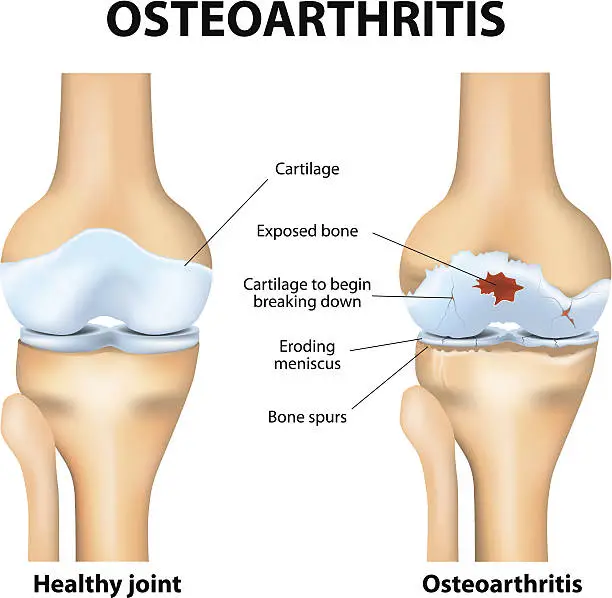
What Is Cartilage Restoration?
Cartilage restoration is a set of surgical procedures aimed at repairing, regenerating, or replacing damaged cartilage in the knee joint. These procedures promote healing and help maintain joint function without the need for an artificial knee replacement. Some of the most common techniques include:
1. Microfracture: A minimally invasive procedure where tiny holes are drilled into the bone to stimulate the growth of new cartilage-like tissue.
2. Autologous Chondrocyte Implantation (ACI): In this procedure, a small sample of the patient’s cartilage cells is harvested, grown in a lab, and then implanted back into the damaged area to regenerate cartilage.
3. Osteochondral Allograft Transplantation: A technique that replaces damaged cartilage with healthy cartilage from a donor.
4. Matrix-Assisted Chondrocyte Implantation (MACI): A newer version of ACI where lab-grown cartilage cells are embedded in a collagen matrix before implantation, improving the healing process.
How Cartilage Restoration Can Delay Knee Replacement
For individuals suffering from cartilage damage, the decision between immediate knee replacement and restoration depends on various factors, including age, activity level, and the extent of joint damage. Here’s how cartilage restoration helps delay knee replacement:
- Preserves Natural Joint Structure: Unlike knee replacements, which require removing damaged bone and cartilage, restoration procedures aim to repair the existing joint, maintaining its natural structure.
- Reduces Pain and Improves Mobility: Many patients experience significant pain relief and improved mobility after cartilage restoration, allowing them to continue daily activities and exercise.
- Delays the Need for a Prosthetic Knee: Knee replacements typically last 15-20 years, making them less ideal for younger patients who may require multiple revision surgeries over their lifetime. Cartilage restoration helps prolong the time before a replacement becomes necessary.
- Enhances Recovery and Post-Surgical Outcomes: While knee replacements involve longer recovery periods and potential complications, cartilage restoration procedures often result in quicker recovery and lower risks of infection and implant failure.
Who Is a Good Candidate for Cartilage Restoration?
Cartilage restoration is not suitable for everyone. The best candidates for these procedures include:
- Younger patients (typically under 50 years old) who have localized cartilage damage but do not yet have advanced osteoarthritis.
- Athletes or active individuals who want to regain knee function and avoid the limitations that come with knee replacement.
- People with isolated cartilage defects rather than widespread arthritis affecting the entire knee joint.
- Those willing to undergo rehabilitation since cartilage restoration often requires extensive physical therapy for optimal results.
Potential Risks and Limitations of Cartilage Restoration
While cartilage restoration offers many benefits, it is not without risks. Some potential drawbacks include:
- Longer Healing Time: Cartilage regeneration can take several months, requiring patients to commit to physical therapy and limited activity during recovery.
- Not Effective for Severe Arthritis: If the knee has extensive cartilage loss, bone damage, or advanced osteoarthritis, a knee replacement may still be the best option.
- Variable Success Rates: While many patients experience significant improvement, results depend on factors like age, health status, and the specific procedure used.
- Possible Need for Additional Surgery: In some cases, a second procedure may be required if the new cartilage does not integrate properly or if symptoms persist.
Final Thoughts: Choosing the Right Treatment Path
Cartilage restoration offers a viable alternative to knee replacement for many patients with early to moderate cartilage damage. By preserving the natural knee structure, reducing pain, and delaying the need for a prosthetic joint, these procedures can help individuals maintain an active lifestyle for longer.
However, the right treatment choice depends on individual circumstances. Consulting an orthopedic specialist can help determine whether cartilage restoration or knee replacement is the best approach based on the severity of damage, lifestyle goals, and overall health. With ongoing advancements in regenerative medicine, the future of cartilage repair looks promising, potentially offering even more effective treatments in the years to come.