What Is BPA and Is It Safe?
Medically Reviewed by Jabeen Begum, MD on February 10, 2025
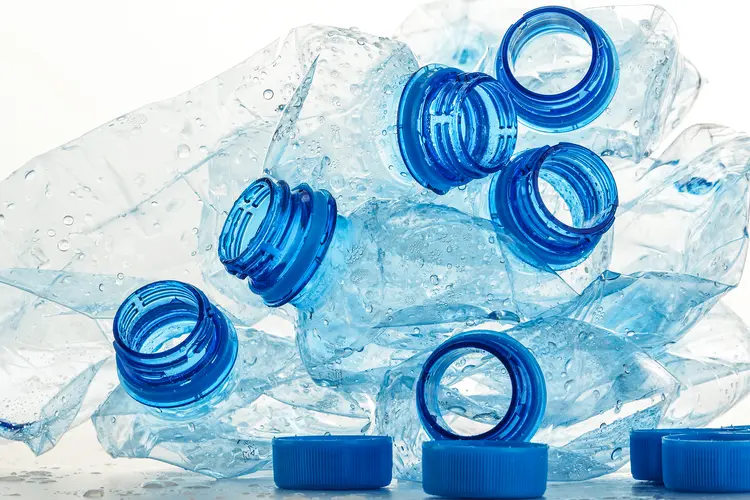
If you've ever been warned to avoid food from cans and water from plastic bottles, it's likely due to concerns over a chemical called bisphenol A (BPA). Much of the concern began in 2008 when a CDC study showed that 92% of U.S. adults had signs of BPA in their urine. People began to question what BPA was, and how it got in their bodies.
There's been an ongoing debate about BPA's effects on health, with studies reporting mixed results. After a years-long study, the FDA concluded that the BPA levels you get in your diet pose no health risk. But some watchdog groups and scientists argue that some regulatory agencies might be going too easy on manufacturers and not standing up enough for public health.
We can modify our behavior to reduce our exposures, so while I would not recommend 'fear,' I do think it's reasonable to be concerned,' says R. Thomas Zoeller, PhD, Professor Emeritus of Biology at the University of Massachusetts Amherst. Zoeller's ongoing research includes the role of thyroid hormone in brain development, with a focus on the fetal brain, and how environmental factors interfere with thyroid hormone action.
Research on BPA is ongoing. In the meantime, learning about BPA safety in everyday products and its potential effects on your body can help you feel more in control and limit your contact with BPA if you wish to.
What Is BPA (Bisphenol A)?
Bisphenol A, more commonly known as BPA, is an industrial chemical that's been used since the 1950s to make polycarbonate plastics and epoxy resins. It often shows up in the hard, clear plastic of food containers and water bottles, as well as in the lining of some metal food and drink cans.
For a time, BPA was used in lots of products. But when concerns about BPA and plastic safety started making headlines, the FDA asked makers of baby bottles, sippy cups, and infant formula cans to stop using the chemical. So your baby items are likely BPA-free products.
Makers of many other water bottles and containers have voluntarily stopped using BPA as well. So, while you may have had many BPA products in your house a few decades ago, it's much less likely now. Still, BPA isn't a banned substance.