Understanding Depression: Causes, Symptoms, and Treatment

What is Depression?
Depression is a common but serious mental health disorder that affects millions of people worldwide. It is characterized by persistent feelings of sadness, loss of interest in daily activities, and a range of emotional and physical symptoms that interfere with daily life.
Unlike temporary feelings of sadness or grief, depression is a prolonged condition that can last for weeks, months, or even years if left untreated. It affects how people think, feel, and behave, often leading to a diminished quality of life.
Causes of Depression
Depression does not have a single cause. Instead, it is the result of a complex interaction of biological, psychological, and environmental factors.
Genetics play a role in the likelihood of developing depression, as individuals with a family history of the disorder may be more prone to experiencing it themselves.
Imbalances in brain chemicals such as serotonin and dopamine are often linked to depressive symptoms. These neurotransmitters influence mood, motivation, and emotional regulation.
Environmental factors like traumatic experiences, chronic stress, financial difficulties, or social isolation can also contribute to the onset of depression.
Symptoms of Depression
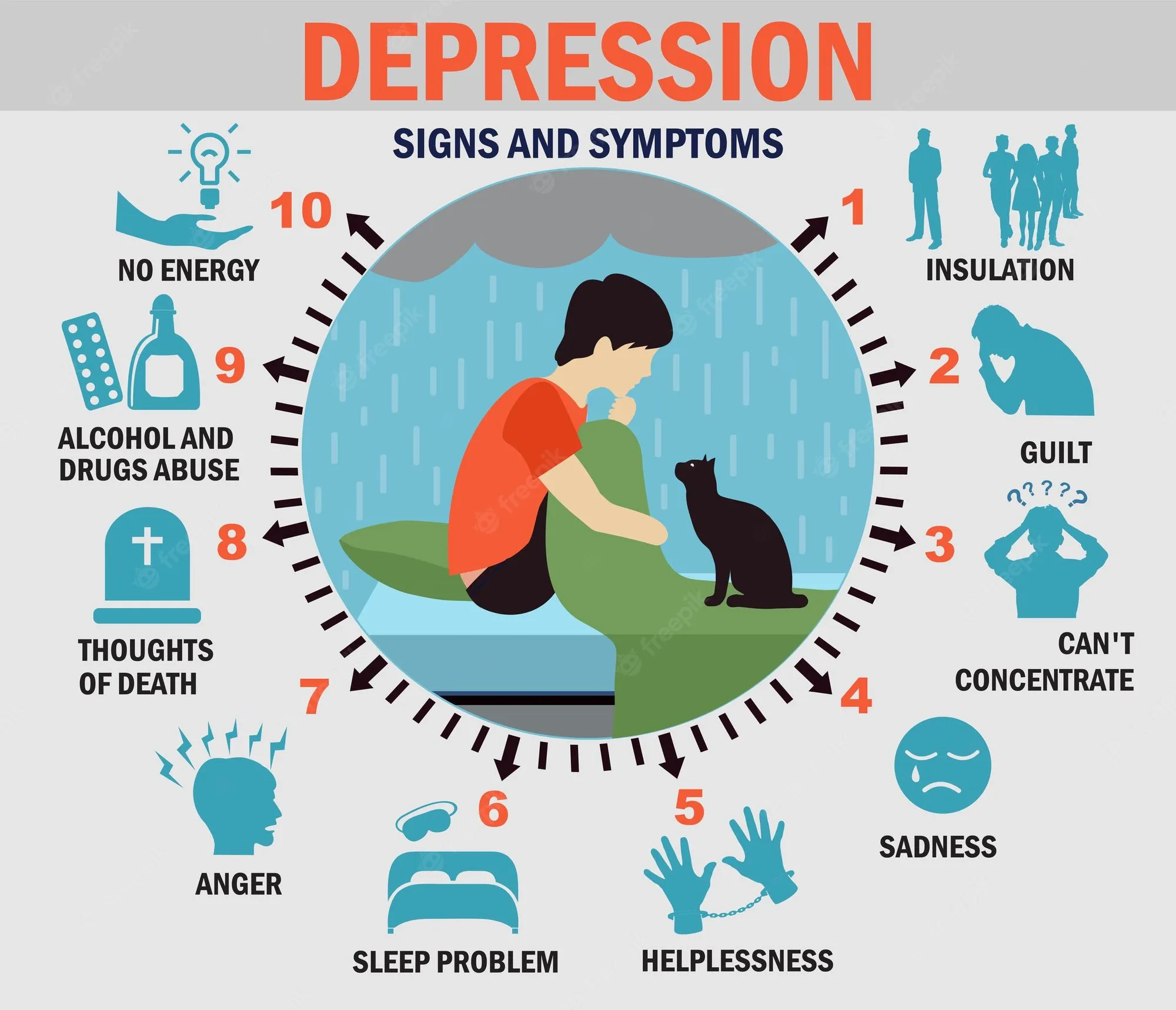
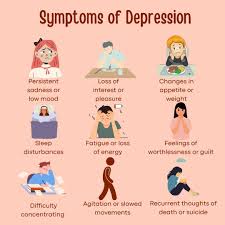
Depression presents itself in various ways, and symptoms can range from mild to severe. Common emotional symptoms include persistent sadness, feelings of hopelessness, and a lack of motivation.
Physical symptoms may include changes in appetite, sleep disturbances (insomnia or excessive sleeping), fatigue, and unexplained aches or pains.
Cognitive symptoms such as difficulty concentrating, making decisions, or remembering things are also common among those suffering from depression.
In severe cases, individuals may experience thoughts of self-harm or suicide. It is essential to seek help if these thoughts arise.
Treatment Options for Depression
Depression is treatable, and multiple treatment options exist to help individuals regain control over their lives.
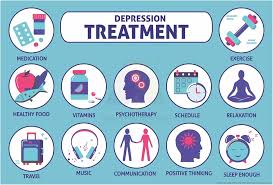
Psychotherapy, such as cognitive-behavioral therapy (CBT) and interpersonal therapy, can help individuals understand and manage their emotions effectively.
Medications like antidepressants can help regulate brain chemistry, but they should be used under the guidance of a medical professional.
Lifestyle changes, including regular exercise, a balanced diet, mindfulness practices, and maintaining social connections, can also play a significant role in alleviating depressive symptoms.
Coping Strategies and Support
Seeking support from family, friends, or support groups can make a significant difference in managing depression.
Engaging in activities that bring joy and fulfillment, such as hobbies or creative pursuits, can provide a sense of purpose.
Developing healthy coping mechanisms like meditation, journaling, and deep breathing exercises can help individuals process their emotions effectively.
It's important to remember that depression is not a sign of weakness, and seeking professional help is a step toward healing and recovery.