Understanding Cancer: Causes, Symptoms, and Treatment
What is Cancer?
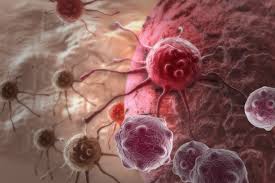
Cancer is a disease that occurs when cells in the body grow uncontrollably. These abnormal cells can form tumors, invade nearby tissues, and spread to other parts of the body. Cancer can develop in almost any organ or tissue, making it one of the most complex and life-threatening conditions. Understanding cancer is crucial for early detection and effective treatment.
Common Causes of Cancer
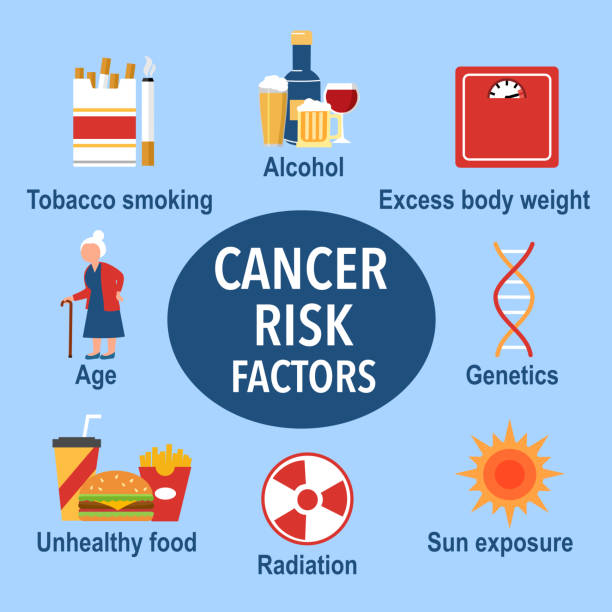
Cancer is caused by genetic mutations that disrupt normal cell function. These mutations can be inherited or acquired due to environmental and lifestyle factors. Smoking, exposure to radiation, chemical carcinogens, and viruses like HPV are some of the leading causes. Additionally, a poor diet, obesity, and chronic inflammation can increase cancer risk.
Signs and Symptoms
Cancer symptoms vary depending on the type and location of the disease. Common signs include unexplained weight loss, persistent fatigue, changes in skin appearance, unusual bleeding, and lumps or swellings in the body. Recognizing these symptoms early can significantly improve treatment outcomes.
Types of Cancer
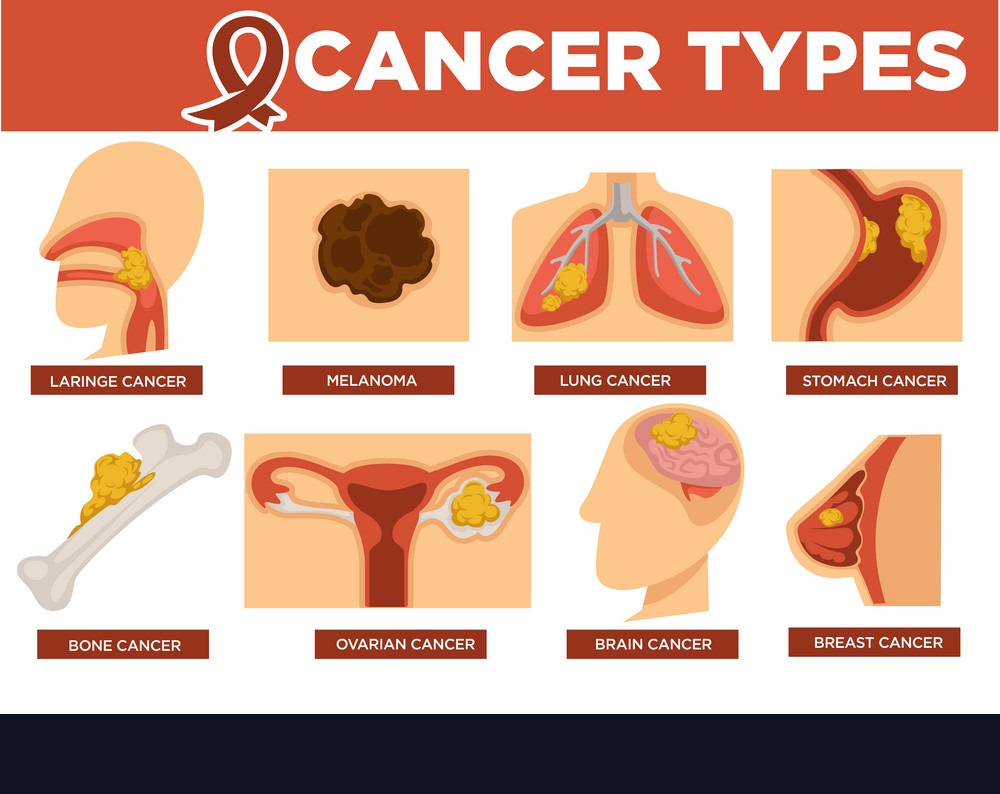
There are over 100 types of cancer, each affecting different parts of the body. The most common types include breast cancer, lung cancer, prostate cancer, colorectal cancer, and leukemia. Some cancers grow slowly and may not require aggressive treatment, while others are fast-spreading and need immediate medical attention.
Cancer Diagnosis and Screening
Early diagnosis plays a crucial role in cancer treatment. Medical professionals use various screening techniques such as blood tests, biopsies, MRI scans, and CT scans to detect cancerous cells. Routine screenings, like mammograms for breast cancer and colonoscopies for colorectal cancer, help in early detection and increase survival rates.
Treatment Options
Cancer treatment depends on the type and stage of the disease. The most common treatments include surgery, chemotherapy, radiation therapy, and immunotherapy. Targeted therapies, which focus on specific genetic mutations in cancer cells, are also emerging as effective treatment options.
Preventing Cancer
While not all cancers can be prevented, adopting a healthy lifestyle can lower the risk. Avoiding tobacco, maintaining a balanced diet, exercising regularly, and limiting alcohol intake are effective preventive measures. Vaccinations, such as the HPV and hepatitis B vaccines, also help reduce the risk of certain cancers.
Living with Cancer
A cancer diagnosis can be overwhelming, but advancements in treatment have improved survival rates. Emotional and psychological support, along with palliative care, can enhance the quality of life for patients. Support groups and counseling services help individuals and their families cope with the challenges of cancer.