Rheumatoid Arthritis: Understanding the Autoimmune Condition
What is Rheumatoid Arthritis?
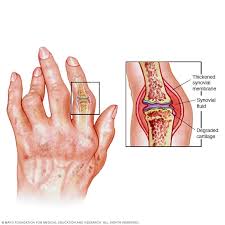
Rheumatoid arthritis (RA) is a chronic autoimmune disorder that primarily affects the joints. Unlike osteoarthritis, which is caused by wear and tear, RA occurs when the immune system mistakenly attacks the synovium, the lining of the membranes surrounding the joints. This leads to inflammation, pain, and joint damage over time.
Symptoms of Rheumatoid Arthritis
RA symptoms often develop gradually and can vary from person to person. The most common signs include joint pain, stiffness (especially in the morning), swelling, fatigue, and fever. Over time, RA can cause joint deformities and disability if left untreated.
Causes and Risk Factors
The exact cause of RA remains unknown, but a combination of genetic and environmental factors plays a role. People with a family history of RA have a higher risk of developing the disease. Smoking, obesity, and exposure to certain infections may also trigger the condition. Women are more likely to develop RA than men, indicating a possible hormonal link.
Diagnosis and Tests
Diagnosing RA involves a combination of medical history, physical examination, blood tests, and imaging studies. Blood tests such as rheumatoid factor (RF) and anti-cyclic citrullinated peptide (anti-CCP) antibodies help identify RA. X-rays, ultrasounds, or MRIs can assess joint damage and inflammation levels. Early diagnosis is crucial for effective treatment.
Treatment Options
RA treatment focuses on managing symptoms and preventing joint damage. Common approaches include medications like disease-modifying antirheumatic drugs (DMARDs), biologic agents, and nonsteroidal anti-inflammatory drugs (NSAIDs). Corticosteroids may also be used to control severe flare-ups. Physical therapy, lifestyle modifications, and regular exercise help maintain joint function and mobility.
Living with Rheumatoid Arthritis
Managing RA involves adopting a healthy lifestyle. A balanced diet rich in anti-inflammatory foods, maintaining a healthy weight, and staying physically active can improve overall well-being. Stress management techniques like yoga and meditation may also help reduce flare-ups. Patients should work closely with healthcare providers to develop a personalized treatment plan.