Is Sex During Pregnancy Safe? Complete Guide for Expecting Couples
Dr Dinesh on 2025-05-15
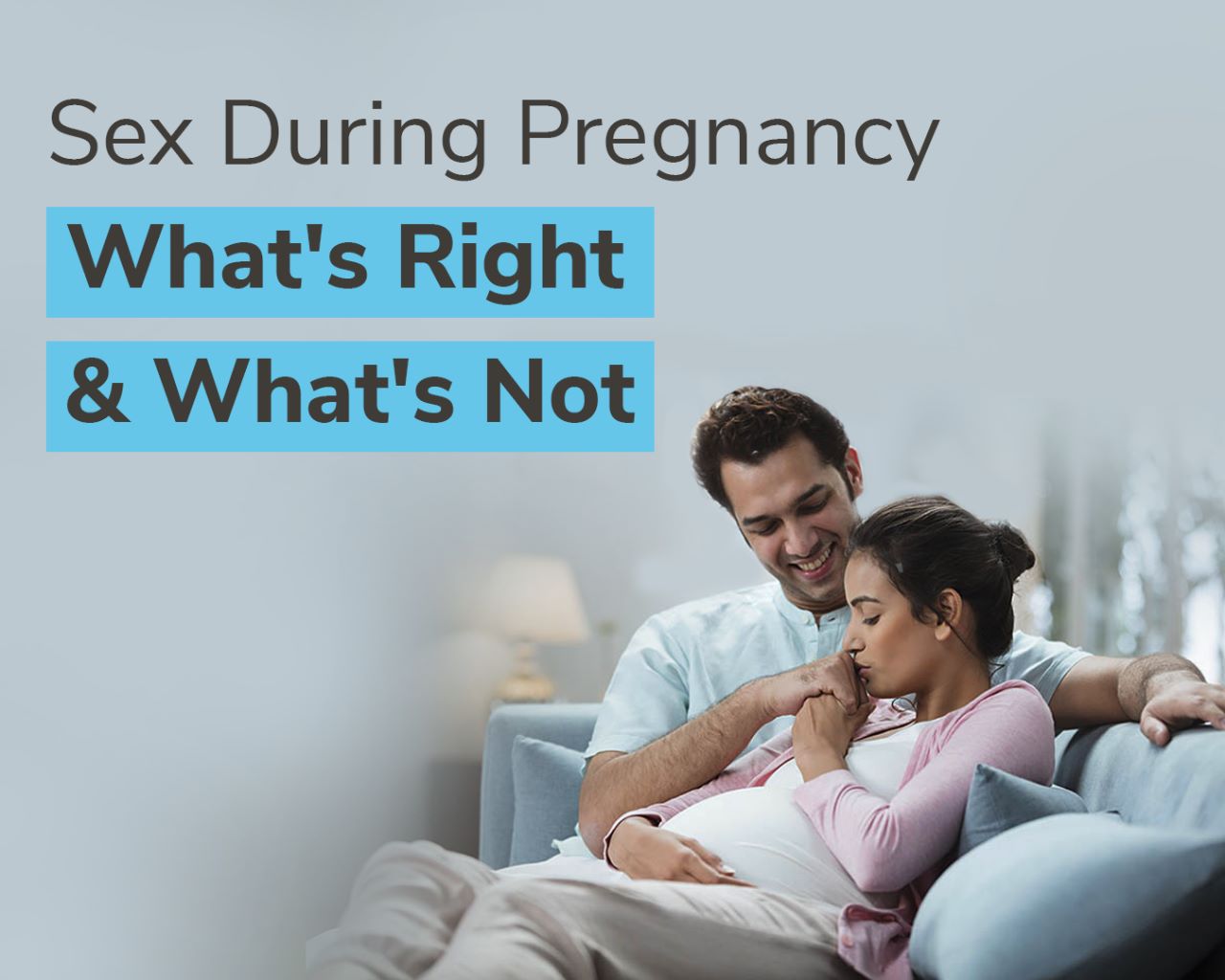
Sex during pregnancy often raises questions for couples — is it safe? Could it harm the baby? Will it trigger labor? The good news is that for most pregnancies, sex is not only safe but can also be healthy and fulfilling. In this complete guide, we’ll address the facts, dispel common myths, explore trimester-specific concerns, and highlight when to abstain — all backed by reliable medical sources.
SEO Keywords Covered:
- is pregnant sex safe
- is sex safe during pregnancy
- can you have sex while pregnant
- pregnancy and sex safety
- safe sex positions during pregnancy
- sex during each trimester
- sex in early pregnancy
- sex in third trimester
Is Sex Safe During Pregnancy?
In uncomplicated pregnancies, sex is completely safe. The fetus is well-protected in the uterus by the amniotic sac and the strong uterine muscles. The mucus plug also seals the cervix, preventing bacteria from entering.
According to the American College of Obstetricians and Gynecologists (ACOG), there is no evidence that sex harms the baby or causes miscarriage in healthy pregnancies.
In fact, sex during pregnancy can:
- Relieve stress
- Improve sleep
- Strengthen emotional bonds between partners
- Help tone pelvic floor muscles
When Is Sex Not Safe During Pregnancy?
There are circumstances when your OB-GYN may advise against sexual activity:
- History of premature labor or miscarriage
- Placenta previa (low-lying placenta)
- Incompetent cervix
- Vaginal bleeding of unknown cause
- Leaking amniotic fluid
- Presence of infections
You may be placed on "pelvic rest," which means avoiding vaginal intercourse, douching, or inserting anything into the vagina.
The Mayo Clinic provides a detailed breakdown of when sexual activity may be restricted.
Sex During Each Trimester
First Trimester:
- Libido may decrease due to fatigue and morning sickness.
- Hormonal shifts may make breasts tender.
- Sex is generally safe unless you have a high-risk pregnancy.
Second Trimester:
- Often the most comfortable and pleasurable stage for sex.
- Increased blood flow can lead to heightened sensitivity.
- Energy levels usually rise, increasing sexual interest.
Third Trimester:
- Growing belly may require alternative positions.
- Some women experience mild contractions after orgasm (Braxton Hicks), which are normal.
- Sex is still safe unless medically restricted.
Learn more from Healthline’s guide on sex by trimester.
Safe Sex Positions During Pregnancy
As the belly grows, comfort and safety become a priority. Here are some safe options:
- Side-lying (spooning): Gentle and avoids pressure on the belly.
- Woman-on-top: She controls depth and angle.
- Edge-of-the-bed: Allows the pregnant partner to lie comfortably while the other partner stands.
Avoid positions where one partner lies on top or where abdominal pressure is applied.
Check out What to Expect’s pregnancy sex position guide for diagrams and ideas.
Common Myths About Sex During Pregnancy
1. "Sex will harm the baby."
False. The baby is protected inside the uterus and cannot be harmed during intercourse.
2. "Sex can trigger labor."
Rarely. Orgasms can cause mild contractions, but they don’t lead to labor in healthy pregnancies unless you're full-term and the cervix is already ripening.
3. "Pregnant women don’t enjoy sex."
Not always true. Some report higher libido and more intense orgasms due to increased blood flow and hormonal changes.
For a more detailed myth-busting article, see WebMD’s take on sex and pregnancy.
Benefits of Intimacy During Pregnancy
Maintaining physical intimacy helps couples:
- Stay emotionally connected
- Reduce stress and anxiety
- Promote oxytocin release (the "love hormone")
- Improve relationship satisfaction during a life-changing transition
Staying close emotionally and physically can provide a strong foundation for parenthood.
When to Stop and Seek Medical Advice
Stop sexual activity and contact your doctor if you notice:
- Vaginal bleeding or spotting
- Leaking fluid
- Pain during or after intercourse
- Unusual cramping
- Symptoms of infection (burning, itching, discharge)
These could indicate complications like preterm labor, infections, or placental problems.
Tips for Communicating with Your Partner
- Be honest about how you feel physically and emotionally.
- Talk openly about discomfort or changing libido.
- Explore other forms of intimacy (e.g., massage, cuddling).
- Use humor and patience to navigate changes together.
Healthy communication is key to preserving closeness and trust.
Postpartum Sex: What to Expect
After childbirth, doctors usually recommend waiting 4–6 weeks before resuming sex. Factors that may affect your timeline:
- Vaginal tears or stitches
- Healing from a C-section
- Hormonal changes causing vaginal dryness
- Emotional and physical fatigue
Use lubrication and go slow. If pain persists, speak to your OB-GYN.
Harvard Health offers advice for navigating postpartum intimacy.
Summary
So, is pregnant sex safe? For most couples, yes — and it can strengthen your relationship during a transformative time. Unless you have medical restrictions, sex is not only safe but also encouraged as a way to stay connected.
Always consult your healthcare provider about your unique situation, especially if you have complications. And remember — every pregnancy is different.