How Does Cumming Work? A Scientific and Sexual Health Guide
Dr Dinesh on 2025-05-15
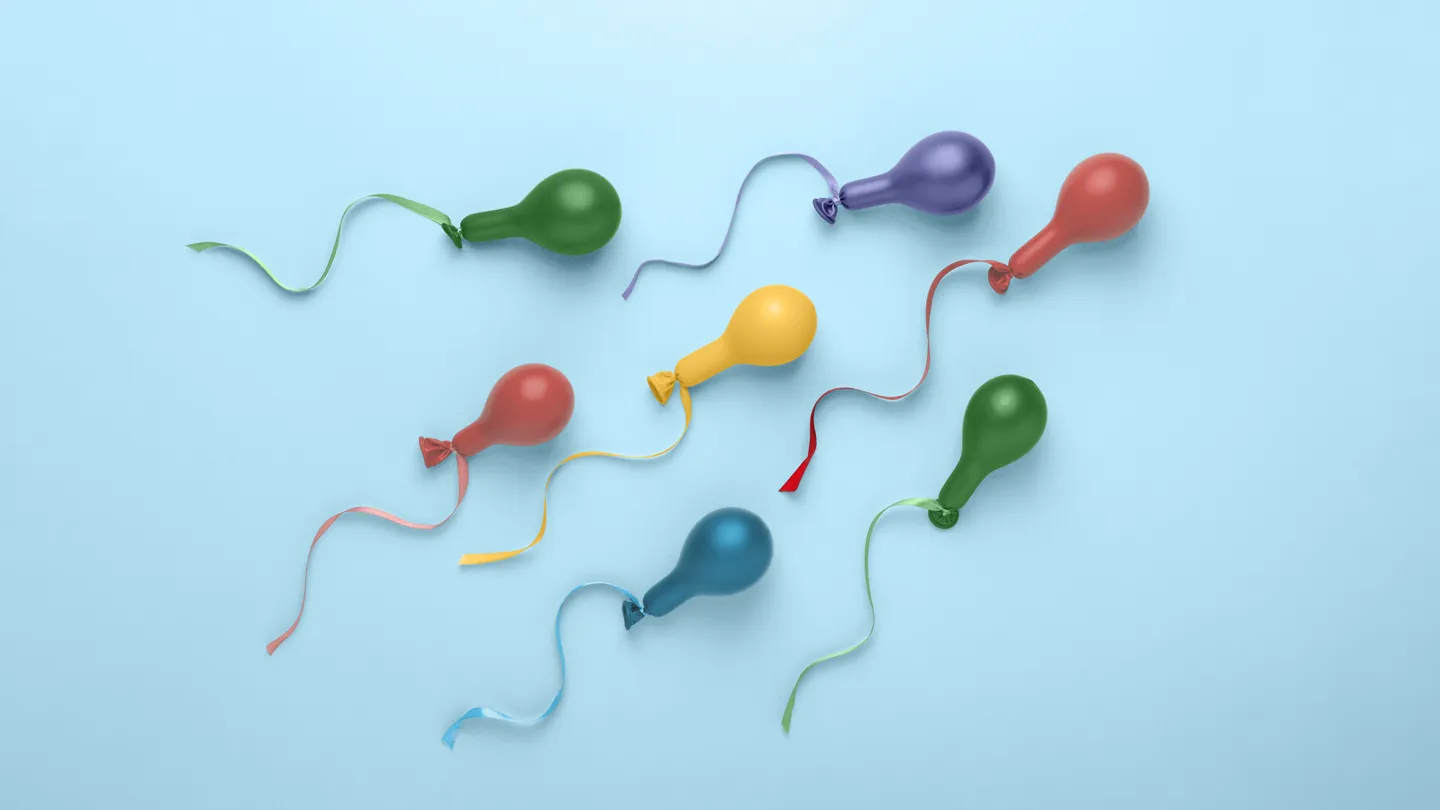
Cumming, or ejaculation, is a complex physiological process that plays a key role in reproduction and sexual pleasure. Whether you’re curious about male orgasm, wondering what happens during ejaculation, or trying to understand how your body works, this guide will explain everything from arousal to climax — backed by science.
SEO Keywords Covered:
- how does cumming work
- what happens when a man ejaculates
- how does ejaculation happen
- male orgasm explained
- what is male orgasm
- how long does it take to cum
- semen vs sperm
- can you cum without ejaculating
- pre-cum vs cum
What Is Ejaculation?
Ejaculation is the release of semen from the penis, typically accompanied by orgasm. It's the final stage of male sexual response and essential for reproduction. Ejaculation usually occurs during orgasm, but in rare cases, they can happen separately.
According to the Cleveland Clinic, ejaculation occurs in two main phases:
- Emission: Sperm moves from the testicles to the urethra.
- Expulsion: Muscles around the penis contract, pushing semen out through the urethra.What Is Ejaculation?
What Happens When a Man Ejaculates?
Here’s a breakdown of what happens in the male body during ejaculation:
- Arousal Begins: Sensory and psychological stimulation trigger blood flow to the penis, resulting in an erection.
- Sperm Production: Sperm is produced in the testicles and stored in the epididymis.
- Emission Phase: With continued stimulation, sperm travels through the vas deferens and mixes with seminal fluid from the seminal vesicles and prostate.
- Expulsion Phase: The mixture (semen) is forcefully expelled through the urethra.
- Orgasm: This process is accompanied by rhythmic muscle contractions and intense pleasurable sensations lasting 3 to 10 seconds.
Planned Parenthood explains that orgasm and ejaculation are two distinct but often simultaneous experiences.
What Is in Semen?
Semen is a combination of sperm and fluids from several glands:
- Sperm (5-10%) – Reproductive cells from the testicles.
- Seminal fluid (60-70%) – Nourishes and protects sperm.
- Prostatic fluid (20-30%) – Adds mobility to sperm.
- Other elements – Enzymes, proteins, and fructose to fuel sperm.
Learn more about sperm vs semen from Mayo Clinic.
How Long Does It Take to Ejaculate?
There’s no "normal" duration, but research shows:
- The average time from penetration to ejaculation is 5.4 minutes
- Masturbation may result in ejaculation more quickly or slowly depending on the individual
Ejaculation time varies based on arousal, stress, hormones, and sexual activity type.
NIH studies have explored average ejaculation times and sexual performance norms.
Can You Cum Without Ejaculating?
Yes. This can happen in:
- Dry orgasms: Usually after prostate surgery or certain medications
- Retrograde ejaculation: Semen flows backward into the bladder instead of out of the penis
- Pre-ejaculatory orgasms: Some men experience orgasmic sensations without full ejaculation
Learn more from Healthline on dry orgasm.
Pre-Cum vs Cum: What’s the Difference?
Pre-cum (pre-ejaculate) is a clear fluid released before ejaculation. It’s produced by the Cowper’s glands to:
- Neutralize vaginal acidity
- Lubricate the urethra
Cum (semen) contains sperm and is released during orgasm. While pre-cum may contain trace sperm, its fertilization risk is much lower.
WebMD explains the differences between these fluids.
Male Orgasm Explained: Physical and Psychological Aspects
Orgasms are both physical and psychological. Here’s how:
Physical Response:
- Muscle contractions in the pelvic floor, anus, and genital area
- Increased heart rate and breathing
- Sudden release of sexual tension
Psychological Response:
- Intense euphoria
- Emotional bonding if experienced with a partner
- Dopamine and oxytocin release — the “feel-good” hormones
Learn how your brain responds to orgasm from Harvard Health.
Factors That Affect Ejaculation
- Age: Ejaculatory volume and force often decline with age.
- Health: Diabetes, prostate conditions, and neurological disorders can interfere.
- Medications: Some antidepressants and blood pressure drugs delay ejaculation.
- Mental Health: Anxiety, stress, and depression can affect arousal and orgasm.
- Lifestyle: Sleep, exercise, and diet play a big role in sexual health.
Ejaculation Disorders
- Premature Ejaculation: Happens sooner than desired
- Delayed Ejaculation: Takes a long time or doesn’t occur at all
- Retrograde Ejaculation: Semen enters the bladder
- Painful Ejaculation: Often caused by infection or inflammation
If you experience any of these, consult a urologist or sexual health expert.
Can You Ejaculate Without an Erection?
Rarely. Ejaculation typically requires an erection, but in cases of spinal cord injury or retrograde ejaculation, semen release may occur without full arousal.
Cleveland Clinic provides more details on sexual function issues.
How Often Is It Healthy to Ejaculate?
Frequency varies, but studies suggest that ejaculating 2–4 times a week may:
- Improve prostate health
- Reduce stress
- Enhance mood and sleep
A 2016 Harvard study linked frequent ejaculation (21+ times/month) with a lower risk of prostate cancer.
Ejaculation and Fertility
Healthy ejaculation is important for fertility. Key factors include:
- Sperm count and motility
- Semen volume
- Hormonal health
If you're trying to conceive, track your cycles and consult a fertility specialist.
Read Mayo Clinic’s fertility basics for men.
Summary
Understanding Ejaculation
Cumming isn’t just about sexual release — it’s a deeply coordinated bodily function involving multiple organs, nerves, and hormones. Understanding how ejaculation works can improve your sexual health, boost confidence, and deepen intimacy with your partner.
If you notice changes in your ejaculatory patterns, pain, or performance, don’t hesitate to consult a doctor. Sexual wellness is a vital part of overall health.