Digestive Health Tips
Medically Reviewed by Minesh Khatri, MD on February 08, 2025
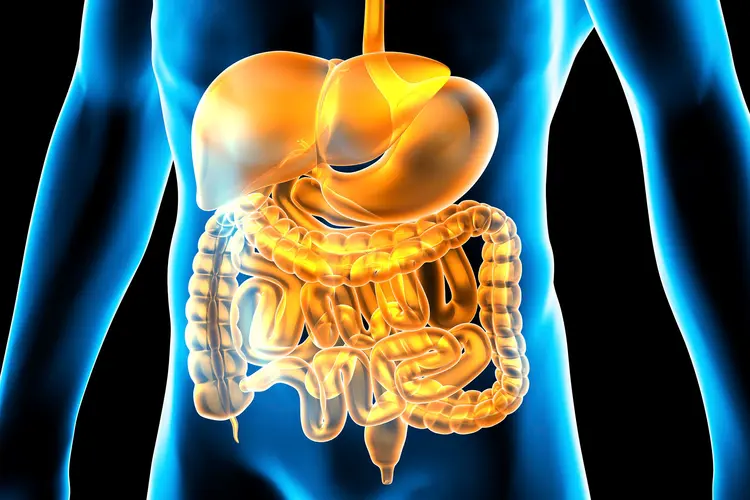
The Digestive System
It may seem like digestion only happens in your stomach, but it’s a long process that involves many organs. Together they form the digestive tract.
Digestion begins in your mouth, where saliva starts to break down food when you chew. When you swallow, your chewed food moves to your esophagus, a tube that connects your throat to your stomach. Muscles in the esophagus push the food down to a valve at the bottom of your esophagus, which opens to let food into the stomach.
Your stomach breaks food down using stomach acids. Then the food moves into the small intestine. There, digestive juices from several organs, like your pancreas and gallbladder, break down the food more, and nutrients are absorbed. What’s left goes through your large intestine. The large intestine absorbs water. The waste then moves out of your body through the rectum and anus.
Digestive problems can happen anywhere along the way.
Gas and Bloating
Gas is a normal part of healthy digestion. Air that is in your digestive tract is either released through your mouth as a burp or through your anus as gas. You typically pass gas 13 to 21 times a day.
Gas is created when you swallow air, such as when you eat and drink. But it’s also a byproduct of the breakdown of food. Some foods cause more gas than others. You may also be more sensitive to particular foods and may have more gas when you eat them.
When gas builds up in your stomach and intestines, you may have bloating – swelling in your belly and a feeling of fullness.
Heartburn/GERD
Heartburn, sometimes called acid indigestion, is a painful, burning feeling in the middle of your chest or the upper part of your stomach. The pain, which can also spread to your neck, jaw, or arms, can last just a few minutes or stick with you for hours.
There’s a muscle at the entrance of your stomach, called the lower esophageal sphincter (LES), that acts like a gate: It opens to let food move from your esophagus to your stomach, and it shuts to stop food and acid from coming back out.
Everyone has heartburn from time to time. But when you have it frequently (at least twice a week for a few weeks), or when it begins to interfere with your daily life or damage your esophagus, your doctor may tell you that you have a long-term condition called gastroesophageal reflux disease, or GERD.
Preventing and Managing Digestive Problems
Cut back on fatty foods.
Avoid fizzy drinks.
Eat and drink slowly.
Quit smoking.
Don’t chew gum.
Exercise more.
Avoid foods that cause gas.
Avoid sweeteners that cause gas such as fructose and sorbitol.