Breast Cancer: Understanding the Disease, Prevention, and Treatment
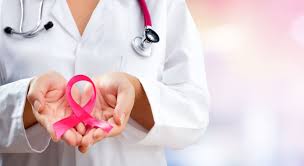
What is Breast Cancer?
Breast cancer is a type of cancer that forms in the cells of the breasts. It is one of the most common cancers worldwide, affecting both women and, in rare cases, men. The disease occurs when breast cells grow uncontrollably, forming a tumor that can be detected through a mammogram or physical examination.
There are different types of breast cancer, with invasive ductal carcinoma being the most common. Early detection is crucial as it significantly increases the chances of successful treatment.
Causes and Risk Factors
The exact cause of breast cancer is not fully understood, but researchers have identified several risk factors that increase the likelihood of developing the disease. These include genetic factors, such as BRCA1 and BRCA2 gene mutations, and lifestyle-related factors, such as diet, alcohol consumption, and obesity.
Other risk factors include age, hormonal influences, family history, and exposure to radiation. While some risk factors, like genetics, cannot be changed, others can be managed through lifestyle modifications.
Signs and Symptoms
Breast cancer symptoms vary from person to person. Common warning signs include a lump in the breast or underarm, changes in breast shape or size, nipple discharge (other than breast milk), and persistent pain in the breast.
Other symptoms may include skin dimpling, redness, or scaling around the nipple or breast skin. If you notice any unusual changes in your breasts, consult a doctor immediately for evaluation.
Prevention and Early Detection
Preventing breast cancer entirely may not be possible, but certain lifestyle choices can help lower the risk. Maintaining a healthy weight, engaging in regular physical activity, limiting alcohol intake, and eating a balanced diet rich in fruits and vegetables contribute to overall breast health.
Regular screening is essential for early detection. Mammograms, clinical breast exams, and self-examinations play a crucial role in detecting abnormalities at an early stage when treatment is most effective.
Treatment Options
Breast cancer treatment depends on the type, stage, and individual health factors. Common treatment options include surgery, radiation therapy, chemotherapy, hormone therapy, and targeted therapy. In many cases, a combination of treatments is recommended to achieve the best outcome.
Surgical options may include lumpectomy (removal of the tumor) or mastectomy (removal of one or both breasts). Radiation and chemotherapy are often used to kill cancer cells and prevent recurrence. Hormone therapy is beneficial for hormone-sensitive breast cancers, while targeted therapy attacks specific cancer cells.
Living with Breast Cancer
A breast cancer diagnosis can be life-changing, but many people go on to live fulfilling lives after treatment. Emotional and psychological support, including counseling and support groups, can help patients navigate the journey of treatment and recovery.
Making lifestyle changes, such as adopting a healthy diet, managing stress, and staying physically active, can improve quality of life. Regular follow-ups with healthcare providers ensure that any potential recurrence is detected early.